 26/10/2026
Low Blood Pressure (Hypotension): Causes, Symptoms and Treatment
Blood pressure plays an important role in maintaining the normal functioning of the body. It helps circulate blood to vital organs, including the brain, heart and kidneys, supplying them with the oxygen and nutrients they need. When blood pressure falls below the normal range, some people may experience dizziness, weakness, blurred vision or fainting. This condition is known as low blood pressure or hypotension.
Low blood pressure does not always indicate a health problem. Some people naturally have lower blood pressure without experiencing any symptoms. However, a sudden drop in blood pressure or consistently low readings accompanied by symptoms may require medical evaluation.
Understanding the causes, symptoms and treatment options for low blood pressure can help people recognise potential warning signs and seek appropriate care. In this article, we discuss why low BP occurs, how it is diagnosed, ways to manage it and when medical attention is necessary.
What Is Low Blood Pressure (Hypotension)?
Low blood pressure, medically known as hypotension, occurs when the pressure of blood flowing through the arteries is lower than expected.
Blood pressure is measured using two numbers, expressed in millimetres of mercury (mmHg).
Systolic blood pressure: The upper number, which measures the pressure in the arteries when the heart contracts and pumps blood.
Diastolic blood pressure: The lower number, which measures the pressure in the arteries when the heart relaxes between beats.
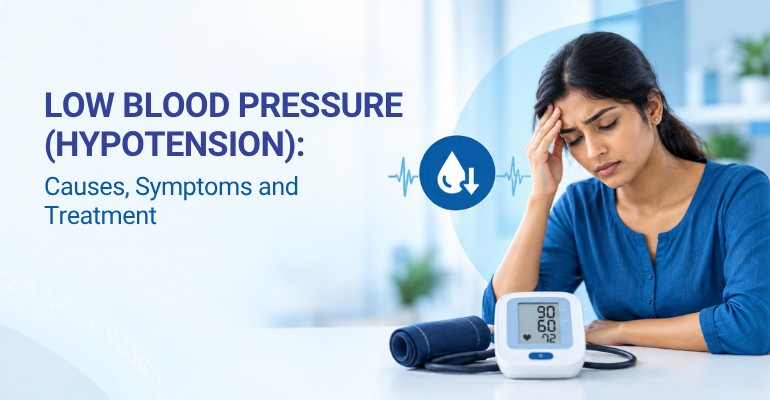
A blood pressure reading below 90/60 mmHg is commonly considered low. However, this number alone does not determine whether treatment is necessary. A person's usual blood pressure, symptoms, medical history and the circumstances in which the reading was taken are also important.
For example, a person with a naturally low blood pressure reading who feels well may not need treatment. In contrast, a sudden fall in blood pressure accompanied by confusion, fainting or severe weakness may indicate a serious medical problem.
What Are the Common Symptoms of Low Blood Pressure?
The symptoms of hypotension vary depending on how low the blood pressure falls and how quickly the change occurs. Some people have no symptoms, while others may experience discomfort that affects their daily activities.
Common symptoms include the following.
1. Dizziness or Lightheadedness
Dizziness is one of the most common symptoms of low blood pressure. A person may feel unsteady, faint or as though the surroundings are moving.
This may happen when standing up quickly after sitting or lying down because blood pressure can temporarily fall when the body changes position.
Frequent dizziness should not be ignored, particularly if it occurs repeatedly or increases the risk of falling.
2. Fainting
A significant reduction in blood flow to the brain can cause a person to lose consciousness temporarily. This is called fainting or syncope.
Fainting may result from low blood pressure, dehydration, certain medications or other medical conditions. Anyone who faints for the first time, experiences repeated episodes or has associated chest pain, breathing difficulty or an irregular heartbeat should receive medical evaluation.
3. Blurred Vision
Some people experience blurred or dimmed vision when their blood pressure drops. This may occur when they stand up or remain standing for a long time.
If vision changes are sudden, persistent or accompanied by weakness on one side of the body, difficulty speaking or a severe headache, seek emergency medical care.
4. Weakness and Fatigue
Low blood pressure may cause tiredness, reduced energy and difficulty completing everyday activities, particularly when it affects blood flow to vital organs.
However, fatigue has many possible causes, including anaemia, sleep problems, thyroid disorders and infections. A healthcare professional can help identify the underlying reason.
5. Nausea
A drop in blood pressure may be associated with nausea or a feeling of discomfort in the stomach. Some people experience nausea along with sweating, dizziness or lightheadedness.
Repeated vomiting can also cause dehydration, which may further lower blood pressure.
6. Difficulty Concentrating or Confusion
When blood flow to the brain is insufficient, a person may have difficulty concentrating or feel unusually confused.
Sudden confusion, especially in an older adult or someone who is seriously unwell, requires urgent assessment because it can indicate a significant drop in blood pressure or another medical emergency.
7. Cold, Clammy Skin and Rapid Breathing
Cold, clammy skin, a rapid pulse and fast breathing may occur when blood pressure falls severely. These symptoms can indicate shock, a life-threatening condition in which the body's organs do not receive adequate blood flow.
Seek emergency medical assistance if these symptoms occur, particularly alongside confusion, fainting or severe weakness.
What Causes Low Blood Pressure?
Hypotension can occur for several reasons. Identifying the underlying cause is essential because treatment depends on what is responsible for the blood pressure drop.
1. Dehydration
Dehydration is a common cause of low blood pressure. When the body loses more fluid than it takes in, the amount of blood circulating through the blood vessels can decrease.
Dehydration may occur because of:
- Insufficient water intake.
- Excessive sweating in hot weather.
- Fever.
- Diarrhoea or vomiting.
- Increased fluid loss during physical activity.
People who work outdoors or spend long periods in hot conditions may be at greater risk of dehydration, particularly if they do not drink enough fluids.
Drinking adequate fluids can help prevent dehydration-related low blood pressure. However, people with heart or kidney conditions may need individualised fluid advice.
2. Blood Loss
Significant blood loss can reduce the volume of blood circulating in the body, leading to a fall in blood pressure.
Possible causes include serious injuries, internal bleeding, heavy menstrual bleeding or bleeding in the digestive tract.
Signs of significant blood loss may include weakness, dizziness, pale skin, a rapid heartbeat or fainting. Severe bleeding or suspected internal bleeding requires emergency medical care.
3. Certain Medications
Some medicines can lower blood pressure as an intended effect or an unwanted side effect.
These may include:
- Medicines used to treat high blood pressure.
- Diuretics, which increase the removal of salt and water through urine.
- Certain medicines used to treat heart conditions.
- Some antidepressants and medicines for neurological conditions.
- Certain medicines used to treat erectile dysfunction.
The risk may increase when multiple medicines affect blood pressure or when dehydration is also present.
If you experience dizziness or faintness after starting a medicine or changing its dose, speak with your prescribing healthcare professional. Do not stop or change prescribed medication without medical guidance.
4. Heart Conditions
The heart must pump blood effectively to maintain adequate circulation. Certain heart conditions can interfere with this process and cause low blood pressure.
Possible causes include an unusually slow heart rate, some abnormal heart rhythms, heart valve disorders, heart failure and other conditions that affect the heart's pumping ability.
Low blood pressure associated with chest pain, shortness of breath, fainting or palpitations requires prompt medical assessment.
5. Endocrine and Hormonal Disorders
Hormones help regulate blood pressure, fluid balance and the body's response to stress.
Certain medical conditions, including adrenal insufficiency and some thyroid disorders, can contribute to low blood pressure.
Depending on the condition, other symptoms may include persistent fatigue, changes in weight, weakness, nausea or changes in appetite.
A healthcare professional may recommend blood tests or other investigations if a hormonal disorder is suspected.
6. Pregnancy
Blood pressure may decrease during pregnancy, particularly during the first and second trimesters, as hormonal changes cause blood vessels to relax and circulation adapts to support the developing baby.
Some pregnant women may experience lightheadedness, particularly when standing quickly, becoming overheated or going for long periods without food or fluids.
Pregnant women should discuss persistent dizziness or low blood pressure with their maternity care provider. Fainting, bleeding, severe abdominal pain or other concerning symptoms require prompt medical assessment.
7. Severe Infection
A serious infection can sometimes cause a dangerous fall in blood pressure, particularly when it leads to sepsis.
Possible warning signs include fever or unusually low body temperature, confusion, rapid breathing, a rapid heartbeat and severe weakness.
Suspected sepsis is a medical emergency and requires immediate treatment.
8. Allergic Reactions
A severe allergic reaction, known as anaphylaxis, can cause a sudden drop in blood pressure.
It may occur after exposure to certain foods, medicines or insect stings. Warning signs include difficulty breathing, swelling of the tongue or throat, widespread hives, dizziness or collapse.
Anaphylaxis requires emergency treatment. Use a prescribed adrenaline auto-injector immediately if available and call emergency services.
9. Prolonged Standing and Changes in Body Position
Some people experience a drop in blood pressure when they stand up after sitting or lying down. This is known as orthostatic or postural hypotension.
It can occur because blood temporarily collects in the lower body when a person stands, and the body does not adjust quickly enough to maintain blood pressure.
Older adults, people with dehydration and individuals taking certain medications may be more susceptible.
10. Nutritional Deficiencies and Other Medical Conditions
Certain nutritional deficiencies can contribute indirectly to low blood pressure. For example, vitamin B12 or folate deficiency may cause anaemia, which can lead to fatigue, weakness and dizziness.
However, these symptoms are not specific to low blood pressure. A medical evaluation can help distinguish between hypotension, anaemia and other possible causes.
What Are the Different Types of Low Blood Pressure?
Doctors may classify hypotension according to when it occurs or what causes it.
Orthostatic Hypotension
Orthostatic hypotension occurs when blood pressure drops after moving from a lying or sitting position to standing.
Symptoms may include dizziness, blurred vision, weakness and fainting. Dehydration, certain medicines, age-related changes and some nervous system conditions can contribute to it.
Postprandial Hypotension
Postprandial hypotension refers to a fall in blood pressure after eating. Digestion increases blood flow to the digestive system, and some people do not compensate adequately to maintain blood pressure elsewhere in the body.
It is more common in older adults and may cause dizziness or weakness after meals.
Neurally Mediated Hypotension
Neurally mediated hypotension can occur after standing for a prolonged period or in response to certain triggers. It involves an abnormal reflex that causes blood pressure to fall and may be accompanied by fainting.
Severe or Acute Hypotension
A sudden and substantial fall in blood pressure may result from severe bleeding, a serious infection, a severe allergic reaction or certain heart conditions.
This type of hypotension can interfere with the function of vital organs and requires immediate medical assessment.
How Is Low Blood Pressure Diagnosed?
A healthcare professional usually begins by measuring blood pressure and reviewing the patient's symptoms and medical history.
The assessment may include the following:
Blood pressure measurement: Blood pressure is measured using an appropriate cuff while the person is resting. Abnormal readings may be repeated to confirm the result.
Postural blood pressure assessment: If symptoms occur when standing, blood pressure may be checked while lying down and again after standing.
Medical history and medication review: The doctor may ask about fluid intake, recent illness, bleeding, pregnancy, existing health conditions and medicines being taken.
Blood tests: Depending on the symptoms, tests may be recommended to check for anaemia, blood sugar abnormalities, electrolyte disturbances or hormonal problems.
Heart investigations: An electrocardiogram (ECG) or other cardiac tests may be needed if an abnormal heart rhythm or heart condition is suspected.
Not everyone requires every test. The investigations depend on the severity of symptoms, examination findings and suspected cause.
Treatment for Low Blood Pressure
Treatment for hypotension depends on the underlying cause, the severity of the symptoms and the person's overall health.
1. Drink Adequate Fluids
If dehydration is contributing to low blood pressure, replacing lost fluids may help restore normal circulation.
Drink water regularly, particularly during hot weather, exercise or periods of increased fluid loss. If vomiting or diarrhoea is present, an oral rehydration solution may be appropriate.
People with heart failure, kidney disease or prescribed fluid restrictions should consult their healthcare professional before increasing fluid intake significantly.
2. Change Positions Slowly
If dizziness occurs when standing, move gradually from lying down to sitting and then to standing.
Pause briefly between each movement and hold a stable surface if needed. If you feel faint, sit or lie down immediately to reduce the risk of falling.
Avoid driving, climbing heights or operating machinery while experiencing dizziness or faintness.
3. Review Medications With a Doctor
If a medicine is contributing to low blood pressure, a healthcare professional may adjust its dose, change the timing or consider an alternative treatment.
Never stop blood pressure medication or other prescribed medicines on your own. Abrupt changes can cause additional health problems.
4. Consider Smaller, More Frequent Meals
For people who experience a blood pressure drop after eating, smaller meals distributed throughout the day may help.
A healthcare professional can advise on suitable meal patterns and other precautions based on the individual's symptoms and medical history.
5. Use Compression Stockings When Recommended
Compression stockings may help selected people with orthostatic hypotension by reducing blood pooling in the legs.
They are not suitable for everyone, particularly people with certain circulation problems. Ask a healthcare professional whether they are appropriate for your condition.
6. Increase Salt Intake Only With Medical Advice
Increasing salt intake may help some people with certain forms of hypotension. However, excess salt can worsen high blood pressure and cause problems for people with heart disease, kidney disease or other medical conditions.
Do not increase salt intake substantially without professional advice.
7. Treat the Underlying Medical Condition
If hypotension is caused by an underlying condition, treatment focuses on that problem.
For example, dehydration may require fluid replacement, blood loss may require urgent treatment, and a hormonal disorder may need specific medication. Severe hypotension may require hospital treatment with intravenous fluids, medicines or other interventions.
Medicines specifically intended to raise blood pressure are used only in selected cases under medical supervision.
When Should You Seek Medical Attention for Low BP?
Occasional low blood pressure without symptoms may not require treatment. However, recurrent dizziness, fainting or unexplained weakness should be assessed by a healthcare professional.
Seek emergency medical help if low blood pressure is accompanied by:
- Loss of consciousness or difficulty waking.
- Chest pain or severe breathing difficulty.
- Confusion or sudden changes in mental alertness.
- Cold, clammy skin with severe weakness.
- A rapid, weak pulse or rapid breathing.
- Heavy bleeding or suspected internal bleeding.
- Signs of a severe allergic reaction.
- Symptoms suggesting a serious infection.
These signs may indicate shock or another life-threatening condition. Do not delay emergency care while attempting home remedies.
How Can Low Blood Pressure Be Prevented?
Not every case of hypotension can be prevented, but certain measures may help reduce episodes in people who are prone to low blood pressure.
- Drink adequate fluids according to your medical needs.
- Avoid standing up suddenly, especially after prolonged sitting or lying down.
- Avoid excessive heat if it triggers dizziness.
- Eat regular, balanced meals.
- Follow your prescribed medication schedule and attend recommended medical reviews.
- Monitor blood pressure when advised by your healthcare professional.
- Discuss repeated dizziness, fainting or weakness rather than assuming the symptoms are harmless.
If you monitor your blood pressure at home, use a correctly sized cuff and follow the recommended measurement technique. Record readings along with any symptoms and share them with your doctor.
Frequently Asked Questions About Low Blood Pressure
What is considered low blood pressure?
A reading below 90/60 mmHg is commonly considered low. However, the significance depends on a person's usual blood pressure, symptoms and medical history.
Is low blood pressure dangerous?
Low blood pressure is not necessarily dangerous if a person feels well and has no underlying problem. However, a sudden drop or low BP accompanied by fainting, confusion, chest pain or severe weakness can indicate a serious condition.
What should I do if my blood pressure suddenly drops?
Sit or lie down immediately to reduce the risk of falling. If you are fully alert and dehydration is suspected, drinking water may help. Seek urgent medical attention if symptoms are severe, persistent or accompanied by warning signs. Do not attempt to treat a possible medical emergency at home.
Can low blood pressure cause headaches?
Some people with hypotension report headaches, but headaches have many possible causes. A persistent, severe or sudden headache should be evaluated rather than automatically attributed to low blood pressure.
Can low blood pressure occur after eating?
Yes. Postprandial hypotension is a fall in blood pressure after a meal. It is more common in older adults and may cause dizziness or weakness.
Should I increase salt to manage low BP?
Not without medical advice. Increasing salt may be appropriate for some people, but it can be harmful for those with certain heart, kidney or blood pressure conditions.
Can low blood pressure be treated permanently?
Treatment depends on the cause. Hypotension related to temporary dehydration may improve after fluids are replaced, while cases caused by medications or underlying medical conditions may require longer-term management.
Conclusion
Low blood pressure, or hypotension, can occur due to dehydration, medication effects, blood loss, pregnancy, heart conditions, hormonal disorders and other medical problems. While some people naturally have low blood pressure without symptoms, repeated dizziness, fainting, blurred vision or unusual weakness should not be ignored.
Managing hypotension involves identifying its cause, maintaining appropriate fluid intake, changing positions carefully and reviewing medications with a healthcare professional. Some people may also benefit from other measures based on their individual medical needs.
A blood pressure reading alone does not always indicate whether treatment is necessary. Symptoms, the speed of the blood pressure drop and the person's overall health are important considerations.
If you experience recurrent symptoms, consult a healthcare professional for an appropriate evaluation. Seek emergency medical care if low blood pressure is accompanied by chest pain, breathing difficulty, confusion, severe weakness or signs of shock.
At MediCiti Hospitals, patients can seek medical evaluation for persistent dizziness, fainting and other symptoms that may be associated with changes in blood pressure. Timely assessment can help identify the underlying cause and guide appropriate treatment.